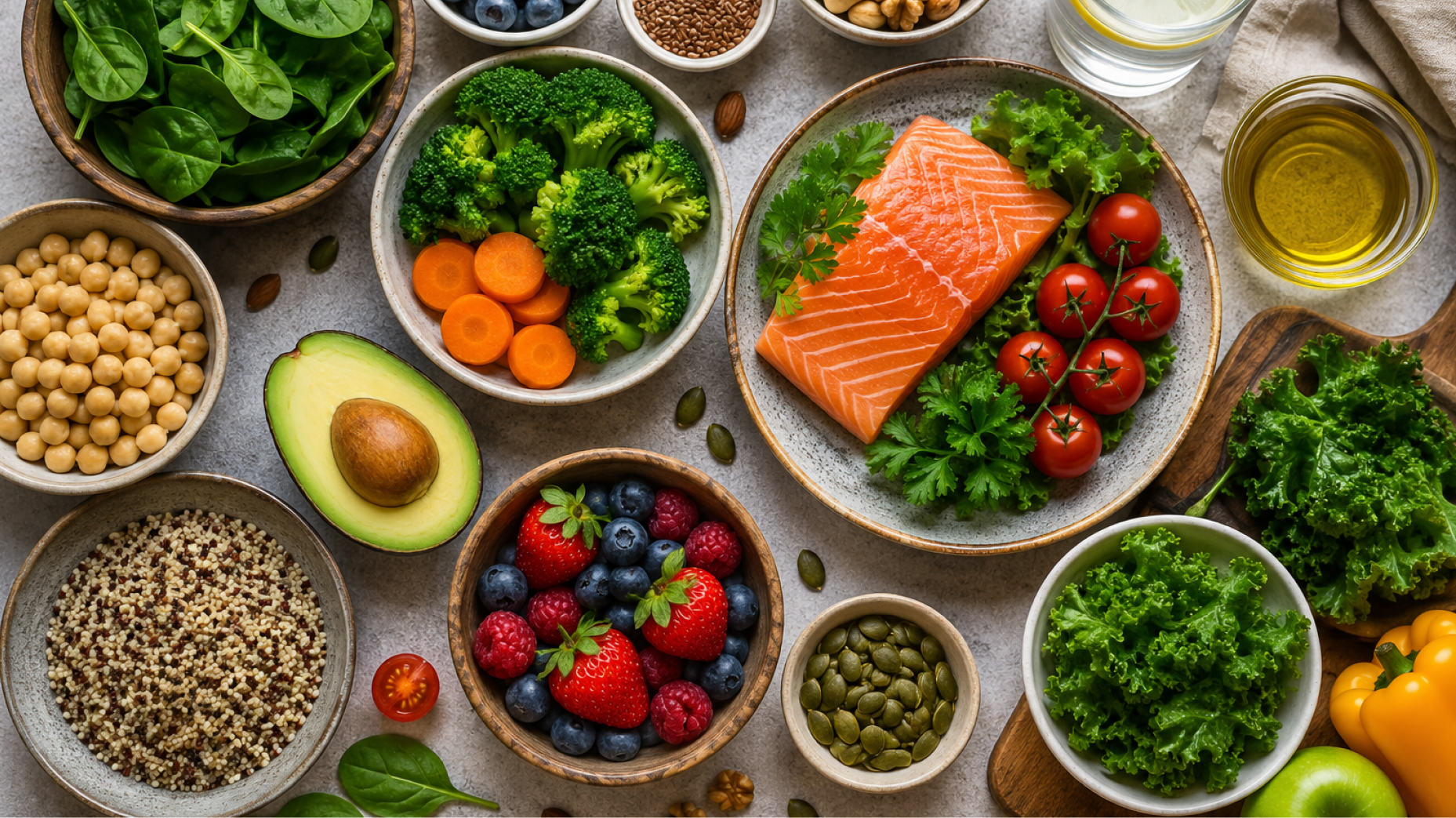
Fatty liver disease is becoming increasingly common across the United States, affecting millions of adults. In Seattle, many people are looking for natural ways to improve their liver health through better nutrition and lifestyle choices. The good news is that early-stage fatty liver disease can often be managed with healthy eating habits, regular physical activity, and medical guidance.
At LuxeCare Medical, we help patients create personalized wellness plans that support weight loss, metabolic health, and long-term liver function. If you’re wondering what foods help or harm your liver, this guide covers everything you need to know.
What Is Fatty Liver Disease?
Fatty liver disease occurs when excess fat builds up in the liver. While small amounts of fat are normal, too much fat can cause inflammation, liver damage, and eventually serious complications if left untreated.
The two most common types include:
- Non-Alcoholic Fatty Liver Disease (NAFLD): Caused by obesity, insulin resistance, type 2 diabetes, or metabolic syndrome.
- Alcohol-Related Fatty Liver Disease: Caused by excessive alcohol consumption.
Many people with fatty liver disease experience no symptoms, while others may notice:
- Fatigue
- Mild discomfort in the upper right abdomen
- Unexplained weight gain
- Elevated liver enzyme levels during routine blood tests
Early diagnosis is important because fatty liver disease is often reversible with proper treatment and lifestyle changes.
Why Diet Is Important for Managing Fatty Liver
Your liver processes nearly everything you eat and drink. A diet high in processed foods, sugary beverages, and unhealthy fats forces your liver to work harder and increases fat accumulation.
A liver-friendly diet can help:
- Reduce liver fat
- Improve insulin sensitivity
- Lower inflammation
- Promote healthy weight loss
- Improve cholesterol levels
- Reduce the risk of liver fibrosis
Many Seattle residents already have access to fresh seafood, seasonal vegetables, local farmers’ markets, and healthy dining options, making it easier to build nutritious meals.
Book Your Fatty Liver Health Consultation
Schedule your appointment with LuxeCare Medical for personalized nutrition guidance and effective fatty liver treatment tailored to your health goals.

Best Foods to Eat for Fatty Liver
Choosing nutrient-rich foods is one of the most effective ways to improve liver health.
Leafy Green Vegetables
Spinach, kale, Swiss chard, and arugula are rich in antioxidants and nutrients that help reduce liver fat.
Great Seattle options include fresh produce from local farmers’ markets like Pike Place Market.
Fatty Fish
Salmon, sardines, trout, and mackerel provide omega-3 fatty acids that reduce liver inflammation and improve heart health.
Wild Pacific salmon is an excellent local choice.
Whole Grains
Replace refined carbohydrates with:
- Brown rice
- Oatmeal
- Quinoa
- Whole wheat bread
These foods help stabilize blood sugar levels and support weight management.
Fruits
Choose fruits rich in fiber and antioxidants such as:
- Blueberries
- Apples
- Oranges
- Strawberries
Eat whole fruit instead of fruit juice to reduce added sugar intake.
Lean Protein
Healthy protein helps preserve muscle while supporting weight loss.
Choose:
- Chicken breast
- Turkey
- Eggs
- Beans
- Lentils
- Tofu
Healthy Fats
Healthy fats actually support liver function when eaten in moderation.
Good choices include:
- Avocados
- Olive oil
- Almonds
- Walnuts
- Chia seeds
Coffee
Several studies suggest that moderate coffee consumption may reduce liver inflammation and lower the risk of liver fibrosis.
Always discuss your dietary needs with your healthcare provider if you have other medical conditions.
Foods to Avoid If You Have Fatty Liver
Some foods significantly increase liver fat and inflammation.
Sugary Drinks
Avoid:
- Soda
- Sweet tea
- Energy drinks
- Fruit punch
- Sweetened coffee beverages
These drinks contain large amounts of fructose, which contributes to liver fat.
Processed Foods
Limit:
- Chips
- Frozen dinners
- Packaged snacks
- Fast food
These foods are often high in sodium, unhealthy fats, and preservatives.
Refined Carbohydrates
Reduce intake of:
- White bread
- White rice
- Pastries
- Cakes
- Cookies
They quickly raise blood sugar and contribute to fat storage.
Fried Foods
Avoid:
- French fries
- Fried chicken
- Onion rings
- Deep-fried appetizers
These foods contain unhealthy fats that worsen liver inflammation.
Excess Alcohol
Even if your fatty liver is not alcohol-related, limiting alcohol intake helps protect liver cells and supports healing.
High-Sugar Desserts
Limit:
- Ice cream
- Candy
- Doughnuts
- Sweet pastries
Reducing added sugar is one of the most effective dietary changes for fatty liver.
Book Your Fatty Liver Health Consultation
Schedule your appointment with LuxeCare Medical for personalized nutrition guidance and effective fatty liver treatment tailored to your health goals.
A Sample Fatty Liver Meal Plan
Here’s a simple one-day meal plan to support liver health.
Breakfast
- Oatmeal topped with blueberries and walnuts
- Black coffee or unsweetened green tea
Morning Snack
- Apple slices with natural peanut butter
Lunch
- Grilled wild salmon
- Quinoa
- Steamed broccoli
- Mixed green salad with olive oil dressing
Afternoon Snack
- Greek yogurt with chia seeds
Dinner
- Grilled chicken breast
- Roasted vegetables
- Brown rice
Evening Snack
- Small handful of almonds
Drink plenty of water throughout the day and avoid sugary beverages.
Lifestyle Changes That Support Liver Health
Diet works best when combined with healthy daily habits.
Maintain a Healthy Weight
Losing just 5–10% of your body weight can significantly reduce liver fat.
Exercise Regularly
Aim for:
- 150 minutes of moderate exercise each week
- Walking
- Cycling
- Swimming
- Strength training
Seattle offers many outdoor parks and walking trails that make staying active enjoyable year-round.
Improve Sleep
Poor sleep affects metabolism and may increase the risk of fatty liver disease.
Aim for 7–9 hours of quality sleep each night.
Manage Diabetes and Cholesterol
Controlling blood sugar, blood pressure, and cholesterol helps prevent liver damage.
Regular medical checkups are essential.
Stay Hydrated
Water supports digestion, metabolism, and overall liver function.
Replace sugary beverages with water, herbal tea, or sparkling water without added sugar.
When to See a Healthcare Provider for Fatty Liver
You should schedule a medical evaluation if you:
- Have elevated liver enzymes
- Are overweight or obese
- Have type 2 diabetes
- Experience persistent fatigue
- Have abdominal discomfort
- Have a family history of liver disease
Early treatment can prevent fatty liver from progressing to more serious conditions such as liver fibrosis or cirrhosis.
At LuxeCare Medical, our experienced healthcare providers offer personalized evaluations, medical weight loss programs, nutrition guidance, and ongoing support to help patients improve metabolic health and reduce fatty liver risk. Whether you’re beginning your wellness journey or looking for expert guidance, we’re here to help you achieve lasting results.
Frequently Asked Questions
Yes. In many cases, early-stage fatty liver disease can be reversed through weight loss, healthy eating, exercise, and management of underlying conditions.
A Mediterranean-style diet rich in vegetables, fruits, lean protein, whole grains, healthy fats, and fish is one of the most recommended eating plans.
Research suggests that moderate coffee consumption may help protect the liver and reduce inflammation for many people.
Many individuals see improvements within several months after adopting healthier eating habits, exercising regularly, and achieving gradual weight loss.
Yes. Losing 5–10% of body weight can significantly reduce liver fat and improve liver function.
Take the First Step Toward Better Liver Health
A healthy diet is one of the most powerful tools for preventing and managing fatty liver disease. By choosing nutrient-rich foods, avoiding processed and sugary items, staying active, and maintaining a healthy weight, you can support your liver and improve your overall well-being.
If you’re in Seattle and concerned about fatty liver disease or looking for a medically supervised weight loss program, LuxeCare Medical provides personalized care designed to help you achieve lasting health and wellness. Schedule a consultation today to start your journey toward a healthier liver.